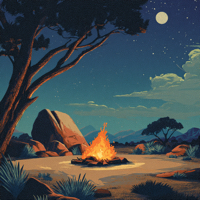
After a period of heightened precautions, both units are reverting to their standard fire regulations because fire danger has decreased. For people heading into the preserve or monument, that means some activities tied to campfires are allowed again — but with clear, non-negotiable limits intended to keep public lands safe.
What’s Changed (And What Hasn’t)
The short version: fires are allowed again, but only in preexisting fire rings and approved containers. Officials are explicitly forbidding new fire rings. Collecting firewood or kindling inside the preserve remains prohibited — bring your own wood. When you leave camp, your fire must be cold to the touch. Do not leave any fire unattended.
Permitted fuel sources are limited. You may use charcoal briquettes or natural firewood — that is, fuels designed and commonly used for warmth or cooking. Lighting or maintaining fires with other materials is forbidden. That list includes, but is not limited to: flammable liquids, garbage, fireworks, plastics, aerosol canisters, batteries, and other manufactured or synthetic materials.
Continue reading →
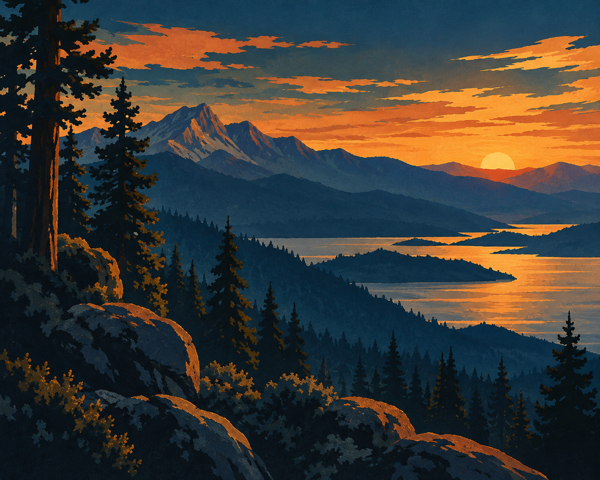

 Auburn sits where the western flank of the Sierra begins to steepen into real country — a Gold Rush town that never quite stopped being one. You still feel the geology of gold in the streets: the story of Claude Chana finding paydirt in the Auburn Ravine on May 16, 1848, is the spark that turned a cluster of camps called North Fork or Woods Dry Diggings into a named place by the fall of 1849, borrowed from miners who came from Auburn, New York. Placer claims were rich here; the Central Pacific Railroad reached town in 1865, and by 1851, Auburn was already the center stage, the county seat of Placer County.
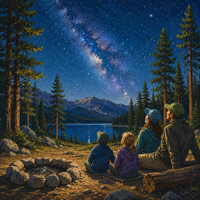 More than 90 percent of wildfires are human-caused, and the Fourth of July is the single most dangerous day of the year for starting one.
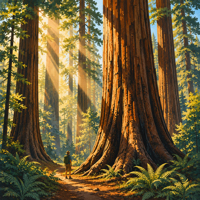 Old growth forests took centuries to become what they are. The rules for protecting them are getting rewritten over the next 90 days, and the public gets a say.
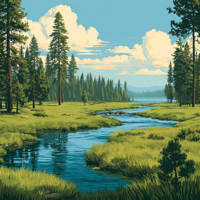 Forest Service restoration work begins on Burke Creek and Rabe Meadow near South Lake Tahoe