

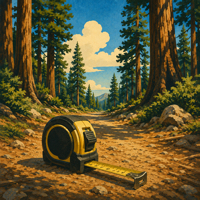
 A Measurement Decides a Trail’s Fate
Fifty inches. That’s the width of a bath towel laid out flat, or two dining chairs pushed together. It’s also the number a lawyer, not an engineer, chose twenty-five years ago to decide which off-road routes across 44 million acres of national forest are legally protected from repair and which ones aren’t. Twenty-five years.

 The U.S. Forest Service just opened a rulemaking process that could reshape how motorized vehicles are allowed to move through national forests and grasslands nationwide.
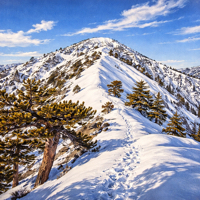 Forest managers restrict summit approaches after heavy snow and rescue operations — check official alerts before heading into the San Gabriels.
 Forest Service signs off on new e-bike branches, restroom-equipped parking and wayfinding. Construction slated for June 2026.