

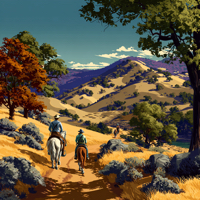
 State Park and Recreation Commission formally classifies Wildwood Canyon State Park; the Yucaipa day-use area — open since 2003 — now moves into long-range planning with California State Parks.
Wildwood Canyon was formally classified and named Wildwood Canyon State Park by the State Park and Recreation Commission at its regular meeting on Dec. 17. The designation folds the Yucaipa day-use area — open to hikers, equestrians, and mountain bikers since 2003 — into California State Parks’ portfolio with new planning and stewardship responsibilities attached. The change won’t close trails or alter views from a ridge, but it does set the stage for long-range decisions on access, conservation, and historic resources within the state agency’s authority.
 King of the Hammers is back. The world’s most extreme off-road race and a week-long desert festival, KOH mixes high-speed desert runs with brutal rock crawling that chews up equipment and separates the finished from the wrecked.
 The MAPWaters Act has cleared Congress and is headed to the President’s desk.
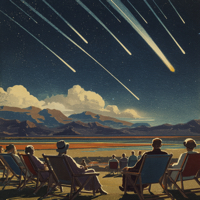 The sky over California puts on one of its best displays this weekend. From desert flats to high mountain vistas, the Geminid meteor shower peaks between December 13 and 14 — and under the right conditions, it’s the year’s most spectacular meteor show. Get away from town lights and clouds, and you’ll see fast, bright streaks and the occasional fireball that make a late night worth it.
 Across BLM public lands this winter, the Interior Department has turned a holiday chore into a practical win. The Bureau of Land Management’s “One Dollar, One Tree