

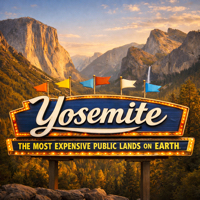
 Redirect existing revenue, fix the backlog, and keep parks open to everyone.
California boasts nine national parks — more than any other state — that are part of the National Park Service, which protects and manages the more than 10,000 acres of mountains, deserts, seashore, and old-growth forest. Those parks sit alongside numerous other National Park Service–managed units — national monuments, historic sites, preserves, and cultural landscapes — all part of the vast U.S. National Park System, which protects millions of acres under a range of designations.
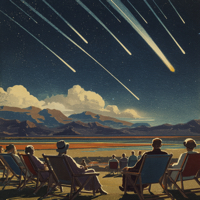 The sky over California puts on one of its best displays this weekend. From desert flats to high mountain vistas, the Geminid meteor shower peaks between December 13 and 14 — and under the right conditions, it’s the year’s most spectacular meteor show. Get away from town lights and clouds, and you’ll see fast, bright streaks and the occasional fireball that make a late night worth it.
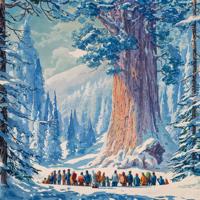 This month, Grant Grove in Kings Canyon will host the 100th Annual Trek to the Nation’s Christmas Tree. On December 14, assembling at 2 p.m. with the official ceremony beginning at 2:30 p.m. The event honors the General Grant Tree, the long-lived, enormous, and officially recognized “Nation’s Christmas Tree.” December 14 is also a free entrance day at Sequoia and Kings Canyon, so Grant Grove will see heavier foot traffic and limited parking.
 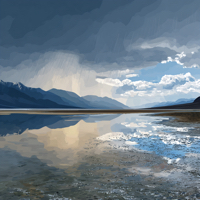 A string of storms this fall left Death Valley doing what it rarely does: collecting rainwater.
 A stubborn storm parked over Death Valley on November 15, 2025, and the desert didn’t know what hit it: Furnace Creek recorded 0.6 inches of rain — a number that’s more than a quarter of the park’s usual annual total. In terrain that sheds water off bedrock and washes it down into narrow canyons, that half-inch-plus didn’t soak in; it ran hard and fast, turning arroyo channels into destructive flows of mud, rock, and debris that have chewed up road shoulders and left pavement buried or gone.