Category Archives: California

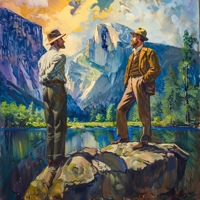
Yosemite Conservancy launches KeepBearsWild.org

In partnership with the National Park Service and Wharton Media, the Yosemite Conservancy has launched KeepBearsWild.org, a website designed to help educate Yosemite National Park visitors about the black bears that live in the park.

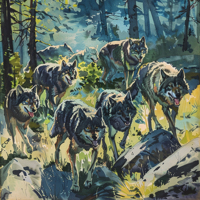
The website has an online bear tracker, information to educate the public on what to do when they encounter bears, how to view bears in the wild, how to properly store food, photography and videos on the parks iconic black bears.

“KeepBearsWild.org is an important way to raise awareness, appreciation and respect for Yosemite’s beloved black bears,” said Yosemite National Park Acting Superintendent Chip Jenkins. “Our message is simple: everyone can keep bears wild by driving slowly, storing food properly and staying at a safe distance when you see them.”

Continue reading →

Thousands Visit California State Parks for Wildflower Season

Visitors Reminded to Plan and Be Prepared for the Outdoors

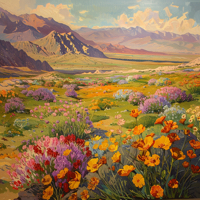
California State Parks News Release, Borrego Springs – California Department of Parks and Recreation encourages visitors exploring state parks during the wildflower season to properly plan and prepare for their trips. Thanks to this year’s rain, many state parks are experiencing wildflower blooms.

This is especially the case at the 650,000 acre Anza-Borrego (Anza-Borrego) Desert State Park which is experiencing the most dramatic bloom in nearly 20 years. With the flowers, come the large crowds. Knowledge of the area, weather, limitations of your body and enjoying the outdoors safely with everyone can help to ensure an enjoyable trip.

Below is some helpful information for wildflower enthusiasts:

Continue reading →

New Reservation System Coming to California State Parks This Summer

California State Parks News Release, Sacramento, CA — Starting this August, Californians will make their state parks camping and tour reservations through a new, faster, easier to use reservation system that features more open access to data.

ReserveCalifornia will go live for all parks on August 1. A variety of features will be phased in between then and March 1, 2018. Below is a breakdown of the features:

Starting August 1, the new reservation system will provide more user-friendly and intuitive web services, including:

Continue reading →

OC Parks longer summer hours schedule starts March 13th!

Daylight Saving Time brings longer spring-summer operating hours to Regional and Wilderness parks.

The clocks spring forward early March 13, marking the beginning of Daylight Saving Time and OC Parks’ spring-summer operating schedule.

Starting Sunday, March 13, the spring-summer hours for regional parks are 7 a.m. to 9 p.m. That includes Carbon Canyon, Clark, Craig, Laguna Niguel, Mason, Mile Square and Yorba regional parks. Irvine Regional Park opens at 6 a.m. and will close at 9 p.m.

Santiago Oaks, Peters Canyon, O’Neill and Talbert regional parks operate on wilderness park hours, as do the outlying trails around Irvine Regional Park. Wilderness parks are open at 7 a.m. and close at sunset year round. OC Parks’ wilderness parks are: Aliso and Wood Canyons, Caspers, Laguna Coast, Whiting Ranch and Riley wilderness parks, as well as Upper Newport Bay Nature Preserve.

Continue reading →

Clear Creek National Recreation Area and Conservation Act

From the BlueRibbon Coalition: Earlier this year, California Reps. David G. Valadao (CA-21), Sam Farr (CA-21), and Jeff Denham (CA-10) introduced H.R. 1838, the Clear Creek National Recreation Area and Conservation Act, to direct the Bureau of Land Management (BLM) to reopen the 75,000 acre Clear Creek Management Area in San Benito and Fresno counties for recreational use, including access for off-road vehicles. Additionally, the legislation would protect approximately 21,000 acres of BLM land adjacent to Clear Creek as the Joaquin Rocks Wilderness.

Once considered a premier off-road vehicle recreation site, Clear Creek was temporarily closed in 2008 to the public after an Environmental Protection Agency analysis about the risk created by naturally occurring asbestos.

Continue reading →