
 Awhile ago I posted about the release of Chinook Salmon into the wild. I received some email asking about the annual release of rainbow trout, and noticed that there wasn’t anything coming from the ten fish hatcheries that usually participate in this.
Category Archives: California
 Founded in 2011, Adventure Scientists has focused on a unique niche: gathering scientific data from far-flung remote areas without requiring huge expeditions or outlaying mountains of cash to train teams on how to survive these trips.
 Next Level Camping is what I was looking for when I discovered you could rent fire lookouts. I’d been a member of the Forest Fire Lookout Association for years because I lived close to the Butler Peak Fire Lookout while up in Big Bear, and thought that I’d eventually be able to volunteer at the lookout. Solitude is always a draw for me, and the forest is my church. So going up to the steeple seemed like a pretty cool idea.
 It might be starting a bit early this year, but California is officially entering one of our unique-to-the-United-States seasons (we don’t have spring summer, fall, and winter; we have fire, rain, mudslide, and awards). As we progress through what the west of the northern hemisphere calls “summer” we’re going to start seeing increased restrictions at our public lands. This happens every year – nothing to be alarmed about.
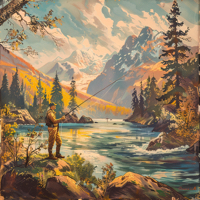 Every year the California Department of Fish and Wildlife offers up a couple of days where you can fish in California without a license. The first of these days for 2020 falls on July 4, 2020 – Independence Day!