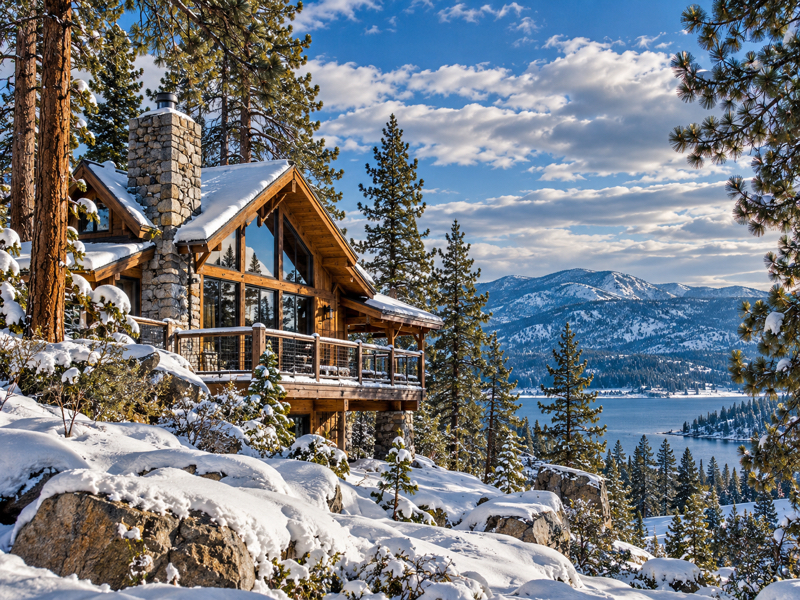

 Heavy rain, mountain snow, and closed roads can turn an ordinary winter storm into a serious problem. Here’s what mountain residents should take care of before the weather arrives.
Winter is coming to Southern California’s mountains, and the developing El Niño has given mountain residents another reason to prepare.
A wet winter can bring welcome snowpack and much-needed water to our forests. It can also bring flooded roads, debris flows, extended power outages, and enough snow to isolate entire neighborhoods.
Residents of Big Bear, Lake Arrowhead, Wrightwood, Idyllwild, and other mountain communities already know how quickly conditions can change. Those living below burned slopes or along steep canyon roads face additional hazards when heavy rain arrives.
The time to prepare is before the first major storm appears in the forecast.
Start With the House
Water is one of the biggest concerns during a Southern California mountain winter.
Clear leaves and pine needles from gutters, downspouts, and roof drains. Make sure runoff moves away from the house rather than collecting against the foundation.
Check drainage ditches and culverts on your property. A blocked culvert can redirect stormwater across a driveway or toward a building. Inspect retaining walls for cracks, bulging, or drainage problems, and have questionable structures evaluated before the ground becomes saturated.
Mountain properties also need attention above ground.
Inspect the roof for damaged shingles or flashing. Look for tree limbs that could fall onto the house, vehicles, or electrical lines under the weight of snow. If your property receives substantial snowfall, find out whether the roof was designed for the loads it may experience.
Don’t wait until a storm is overhead to discover that the snow shovel is broken or the driveway drain is plugged.
Below the Burn Scars
Wildfire changes how mountain slopes respond to rainfall.
The 2020 Bond Fire burned around Silverado Canyon in the Santa Ana Mountains. Four years later, the Airport Fire spread through the mountains above Trabuco Canyon. Other Southern California communities face similar concerns from fires in the San Gabriel, San Bernardino, and Los Padres national forests.
Heavy rain can send mud, rocks, and fallen trees down burned drainages with little warning.
Residents near recent burn areas should learn whether their property lies within a mapped flood or debris-flow hazard zone. County emergency management agencies and the U.S. Geological Survey provide information about post-fire hazards.
Keep drainage channels clear of loose household materials, but don’t enter a wash or attempt to clear a flowing channel during a storm. Sandbags may help divert shallow surface runoff in suitable locations, but they won’t stop a debris flow.
If officials issue an evacuation order, leave. A mountain canyon is no place to wait and see whether a debris-flow warning proves serious.
When the Power Goes Out
Mountain storms can knock down trees, damage power lines, and interrupt electricity for hours or days.
Check flashlights, batteries, and charging equipment now. Keep a charged power bank for your phone, and consider a battery-powered or hand-crank radio for emergency information when cellular service becomes unreliable.
Heating requires special attention.
Have fireplaces, woodstoves, and chimneys inspected and cleaned as needed. Test smoke alarms and carbon monoxide detectors. If you use a generator, operate it outdoors, well away from windows, doors, and vents, following the manufacturer’s instructions.
Never run a generator inside a garage, even with the door open. Never use a barbecue grill, camp stove, or outdoor heater to warm an enclosed room.
Keep enough food, drinking water, medications, and necessary household supplies to remain at home for an extended period. For isolated mountain properties, planning for up to two weeks without normal access is a reasonable precaution.
That includes supplies for pets and any family members who depend on electrically powered medical equipment.
Get the Vehicle Ready
Winter driving in the mountains requires more than a full tank of gas.
Check tires, brakes, windshield wipers, and the vehicle’s cooling system. Make sure the windshield washer fluid is suitable for freezing temperatures.
Carry properly sized tire chains or other approved traction devices, and know how to install them before you need them. California chain-control requirements can apply to four-wheel-drive and all-wheel-drive vehicles, too.
Keep warm clothing, blankets, water, food, a flashlight, and a shovel in the vehicle. A charged phone and a way to recharge it are important, but don’t assume you’ll have cellular coverage everywhere.
Highway 18 around Big Bear and Lake Arrowhead, Highway 2 through the San Gabriels, Highway 243 near Idyllwild, and Sunrise Highway in the Laguna Mountains can become hazardous during winter storms.
Caltrans may close roads because of snow, rockslides, flooding, or damaged pavement. Check QuickMap before leaving and don’t rely on a navigation app to know whether a mountain road is passable.
If a road is closed, turn around. A shortcut through an unfamiliar forest road can create a much bigger problem.
Have an Evacuation Plan
Mountain communities often depend on a limited number of roads.
A major storm can close the usual route out, while a debris-flow warning may leave residents very little time to move.
Know the evacuation routes serving your neighborhood and identify an alternate route where one exists. Keep important documents, medications, spare clothing, and essential supplies together where you can reach them quickly.
Sign up for your county’s emergency alerts. Check whether your community uses a separate local notification system.
If you have animals, plan how you’ll transport them. Large animals require advance arrangements, particularly where trailers and mountain roads are involved.
And keep an eye on neighbors who may need assistance. A resident who cannot drive or clear a snow-covered walkway may need help long before emergency crews can reach the neighborhood.
Before the First Major Storm
Southern California’s mountains cover an enormous range of elevations and winter conditions. What falls as rain in Silverado Canyon may arrive as snow in Wrightwood. A storm that leaves Idyllwild with a few inches of snow can create entirely different conditions near Big Bear.
Check the forecast for your specific community rather than relying on the weather report for the nearest city.
The National Weather Service issues winter storm warnings, flood watches, and other alerts. County emergency management offices provide evacuation information, while Caltrans reports state highway conditions.
If your home needs drainage work, roof repairs, tree maintenance, or additional emergency supplies, take care of those jobs now. Once the first major storm arrives, contractors, road crews, and emergency services may have more work than they can handle.
Resources:
See Ready.gov – Winter Weather HERE
See National Weather Service – San Diego HERE
See National Weather Service – Los Angeles/Oxnard HERE
See Caltrans QuickMap HERE
See U.S. Geological Survey – Landslide Hazards HERE
See Ready.gov – Winter Weather HERE
See National Weather Service – San Diego HERE
See National Weather Service – Los Angeles/Oxnard HERE
See Caltrans QuickMap HERE
See U.S. Geological Survey – Landslide Hazards HERE