

Q: What is the best year/model of Jeep that a Jeep Wrangler fanatic would recommend?

A: Depends on what you want from your Jeep.

The CJ5 is a fantastic vehicle, and it’s ridiculously inexpensive. The best years for that, again, depend on what you want. The 72-75s have a Dana 44 rear and a V8 option. The 76 and newer have a more robust chassis, but a smaller engine bay. The 77-79s had a boxed frame and disc brakes. Finding 76 and newer parts is still fairly easy to do. Earlier ones … well, you’ll do a lot of searching.

The CJ6 is a strange little Jeep. I wouldn’t get one unless you’re a collector. It’s, basically, a long wheelbase CJ5.

The CJ7 was a really robust replacement for the CJ5. I liked the longer doors on mine, and the hardtop & hard doors were useable. Getting a post 1982 one won’t get you the heavy-duty parts that came on the earlier rigs, but you’ll get wider axles, Dana 300 transfer case, and it’s not that difficult to find one that came with a Dana 44 rear end. I’d recommend the straight 6 over the V8; same torque, better MPG (although MPG isn’t the reason you buy a Jeep).

Continue reading

Tomorrow Somewhere New

Tyler Fyfe over at The Plaid Zebra website reminded me of something that seems to escape more and more people as they become ensconced in the trappings of a stuff-driven life.  I’m a big fan of the outdoors, and a strong believer that we really don’t need all the stuff we collect – all of the stuff we should have can fit easily into something as small as a tiny house, which is something for an entirely different conversation.

The Works family took this one step further, selling everything they own, picking up a really nice 27′ Airstream trailer, and taking to the road. The original plan was to visit all 400 national parks – a lofty goal! – which they’ve accomplished.

Filmmakers Dark Rye picked up on the story.  “Tomorrow Somewhere New” is the result. Continue reading

Yosemite National Park Expecting Extremely Busy Memorial Day Weekend

Visitors are urged to avoid arriving at park mid-day, due to anticipated high visitation

From The National Park Service:

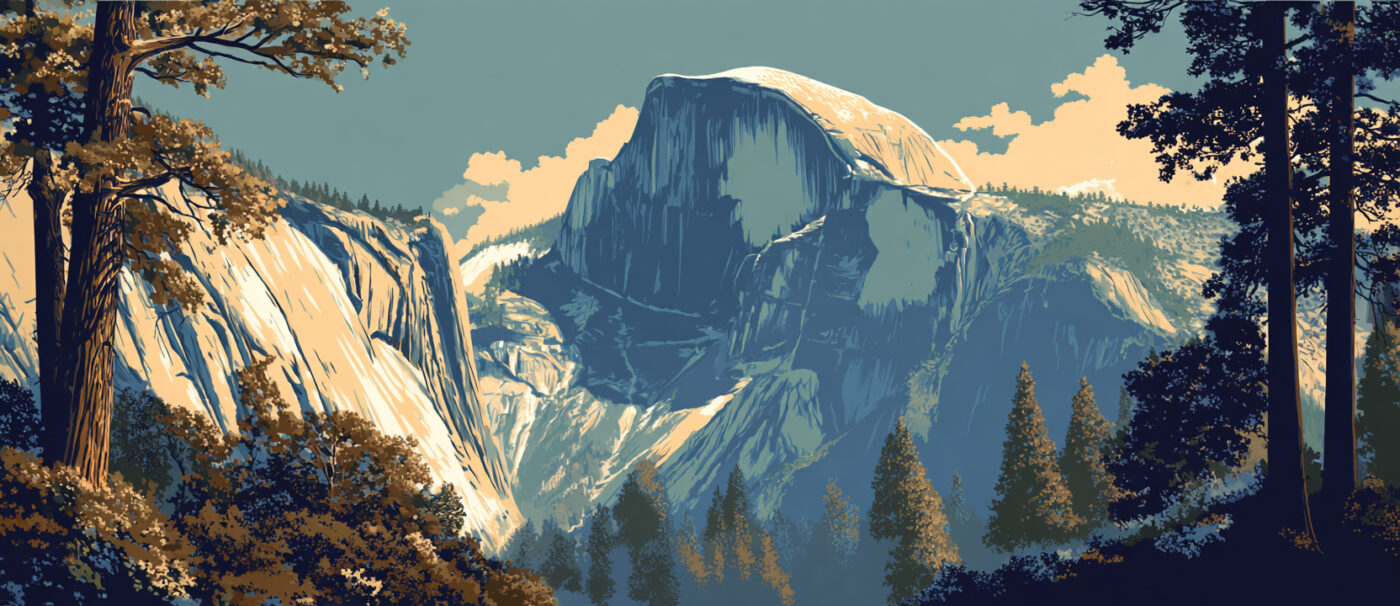
Yosemite National Park anticipates an extremely busy Memorial Day weekend. Its been a very busy year so far and the park expects high visitation, especially from Friday afternoon until Sunday. Visitors are strongly urged to avoid arriving at the park during the peak hours of 10:00 a.m.to 2:00 p.m. Arriving early in the day or late in the afternoon are the best ways to enjoy the park. Once in the park, visitors are urged to park their vehicles, and enjoy the park utilizing the free shuttle bus service, bike paths, and hiking trails.

Continue reading

Orange County Park Ranger Badge

When you visit an OC Park, you’re greeted by Park Rangers and members of the Ranger Reserves.  They’re special group of men and women who serve our county and help visitors enjoy our beautiful spaces.  One aspect of the Park Ranger uniform is the unique badge that identifies the individual.

Throughout the history of the Orange County Ranger program, there has only been on official department issued badge.  It is a gold-tone solid-back “pinched” shield with a reverse blue ribbon cloisonne across the top with the words “PARK RANGER” in raised letters.  Below that, the county seal appears in reverse cloisonne, and a reverse blue ribbon with the words “PARKS – BEACHES” below that.  There is a small raised square to engrave the badge number.  If the number is proceeded by an “R” the badge was issued to a Reserve Park Ranger.  The back of the badge is hallmarked “Entenmann-Rovin.”

Continue reading

What hikers do and do NOT do…

The Sacramento Bee is reporting that the CHP has rescued a “hiker” from the Pacific Crest Trail.  The guy they rescued was only 12 hours into his hike when young Dartagnan ran out of water “due to the drought” and became lost.

There are a number of things that I find questionable about this story.  Not that the guy wandering around was named Dartagnan, not the silliness about the drought causing him to run out of water, and not even that he became lost after 12 hours of hiking (at night) on a part of the trail that is fairly easy to see.

From the article:

“He scampered into the open beyond the tree line where pilot Souza was able to make a landing at the edge of a cliff.”

Just so that we’re clear: Hikers hike.  They don’t “scamper.”  Ever.

You can read the whole strange tale HERE.