

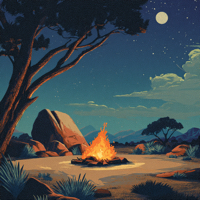
 After a period of heightened precautions, both units are reverting to their standard fire regulations because fire danger has decreased. For people heading into the preserve or monument, that means some activities tied to campfires are allowed again — but with clear, non-negotiable limits intended to keep public lands safe.
What’s Changed (And What Hasn’t)
The short version: fires are allowed again, but only in preexisting fire rings and approved containers. Officials are explicitly forbidding new fire rings. Collecting firewood or kindling inside the preserve remains prohibited — bring your own wood. When you leave camp, your fire must be cold to the touch. Do not leave any fire unattended.
Permitted fuel sources are limited. You may use charcoal briquettes or natural firewood — that is, fuels designed and commonly used for warmth or cooking. Lighting or maintaining fires with other materials is forbidden. That list includes, but is not limited to: flammable liquids, garbage, fireworks, plastics, aerosol canisters, batteries, and other manufactured or synthetic materials.
A Few Other Rules To Note
- No fires may be lit during windy conditions in the Mojave National Preserve. This is non-negotiable; wind can quickly turn a controlled campfire into extreme danger.
- The use of fireworks is always prohibited on all public lands, including both the preserve and the monument; this prohibition is backed by federal regulation (Title 36, Code of Federal Regulations, Section 2.38(b)).
Additional restrictions and site-specific rules apply; call the park for clarification before you go.
Why These Rules Matter
Reverting to standard regulations doesn’t mean the risk vanished — it means managers judged that conditions allow a narrow, regulated return to campfires. The rules are written to reduce risk: limiting where fires can burn, which fuels can be used, and when fires can be lit (no windy days). Prohibiting the cutting or collection of wood inside the preserve protects habitat and prevents use that could leave unsafe stashes of kindling across the landscape.
Practical Guidance For Visitors
- Bring your own firewood and enough of it for your stay. Don’t plan to scavenge inside the preserve.
- Use only preexisting fire rings or approved containers; do not construct new rings.
- Burn only charcoal briquettes or natural firewood. Do not burn trash, plastic, batteries, or any treated or manufactured materials.
- Keep water and a shovel handy. Fully extinguish your fire — cold to the touch — before you break camp.
- Never leave a fire unattended. If the wind picks up, put it out immediately.
- Fireworks are always banned. Don’t bring them.
If you’re unsure about a regulation or current conditions, contact the park before you go.
If you’re a repeat visitor or a group leader, treat these rules as part of your trip planning. Pack extra fuel, assign a fire watch, and include fire safety on the campsite checklist. These are simple, practical steps that protect visitors and preserve resource values.
The end of formal fire restrictions is good news in the moment — it restores a measure of normalcy for backcountry cooking and campfire routines. But normal does not mean casual. Follow the rules, plan, and be a good steward; when everyone does the small things, these public lands stay safe and open for the next visitor, which is a very big thing. If you need specifics on allowable fuels, current wind conditions, or other site rules, call Mojave National Preserve or Castle Mountains National Monument before you go.